
 EN
EN
 AR
AR
 DA
DA
 FR
FR
 DE
DE
 EL
EL
 HI
HI
 IT
IT
 JA
JA
 KO
KO
 PT
PT
 RU
RU
 ES
ES
 SV
SV
 ID
ID
 VI
VI
 MT
MT
 TR
TR
 FA
FA
 AF
AF
 MS
MS
 GA
GA
 BN
BN
 KM
KM
 LO
LO
 LA
LA
 MN
MN
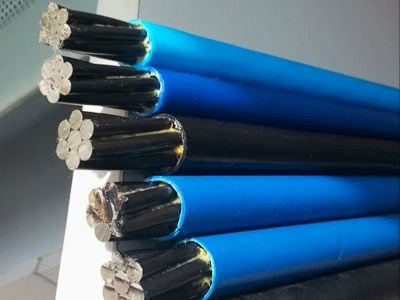
Galvanized pipes are important in many industries. They are used for water, gas, and even heating. These pipes are coated with zinc to prevent rust and corrosion. But how thick is this coating? That’s where measurement comes in. Knowing the thickness of the galvanized coating is very important for quality control. At UDREAM, we focus on making sure that the pipes we produce are of the best quality. A good coating can help pipes last longer and work better. If the coating is too thin, the pipes might rust quickly. If 1 1 2 galvanized pipe is too thick, it might peel off. So, measuring the thickness correctly helps us ensure that our products meet the highest standards.
What is the Importance of Galvanized Pipe Coating Thickness Measurement in Quality Control?
Understanding how thick the galvanized coating is on pipes can make a big difference. This measurement helps us know if the pipes are strong and safe. When the coating is just right, it protects the pipes from rust and damage. For example, if a water pipe has a thick coating, it will last longer in wet conditions. But if the coating is too thin, the moisture can reach the metal and cause rust. This could lead to leaks or even pipe bursts. At UDREAM, we want our pipes to be reliable, so we check the coating thickness regularly. This is part of our quality control system. We use special tools to make sure that every pipe has the right thickness. When pipes go out to customers, they can trust that they are getting a product that will last. This is very important for industries that rely on water and gas pipelines. If these pipes fail, 1 1 2 pipe steel can cause a lot of problems and even danger to people. So, measuring the coating thickness is not just a step; it is a critical part of making sure everything is safe and sound.
Where to Find Reliable Galvanized Pipe Coating Thickness Measurement Tools?
Finding the right tools to measure the thickness of galvanized pipe coatings is important. There are many types of tools available, but not all of them are equally good. At UDREAM, we recommend looking for tools that are easy to use and give accurate readings. One common tool is the ultrasonic thickness gauge. This device sends sound waves through the coating to measure how thick it is. It is fast and can be used on many types of surfaces. Another option is magnetic thickness gauges. These are good for measuring metallic coatings. They can also be quite portable, which makes them handy for on-site measurements. You can find these tools at industrial supply stores or online. 1 1 2 stainless pipe is important to choose tools from trusted manufacturers to ensure they work well. Reading reviews and asking for recommendations can help you find the best options. Always remember, using the right tool helps in getting the best results. This way, companies like UDREAM can make sure that every galvanized pipe meets the necessary quality standards. When the right tools are used, it leads to better products and happier customers. That’s what we aim for at UDREAM.
When looking for high-quality galvanized pipes with the right coating thickness, it’s important to know where to find the best options.
Galvanized pipes are made from steel and coated with a layer of zinc to protect them from rust and corrosion. This coating is essential for the pipes to last a long time. You want to make sure you get pipes that have the right thickness of this coating. If the coating is too thin, the pipes might get damaged quickly. If it’s too thick, it can be hard to work with. The best place to start is by looking for trusted suppliers or manufacturers that focus on quality. At UDREAM, we pride ourselves on providing high-quality galvanized pipes. When searching for these pipes, ask for certifications or test results that show the thickness of the zinc coating. You can also look for customer reviews or ratings to see what others think about the pipes. It’s good to check if the supplier follows strict quality control methods. This means they regularly test their products to ensure they meet set standards. You might also want to visit local hardware stores or construction supply shops. They can often help you find reliable sources for galvanized pipes. Sometimes, they may even have samples available to check before you buy. Also, consider visiting trade shows or industry events where manufacturers showcase their products. At these events, you can talk directly to the suppliers and ask questions about the coating thickness and quality of their pipes. Remember, taking the time to find the right source will help ensure that you get quality pipes that will last for many years.
To accurately measure the coating thickness of galvanized pipes, you need the right tools.
One of the most important tools is a coating thickness gauge. This device measures how thick the zinc coating is on the pipes. There are different types of gauges, but the most common ones use magnetic or eddy current methods. Magnetic gauges are good for measuring coatings on steel surfaces, while eddy current gauges can be used on non-magnetic surfaces. At UDREAM, we recommend using a gauge that is easy to read and operate. Look for one that displays measurements clearly and provides accurate results. Another useful tool is a digital micrometer. This helps measure the actual thickness of the pipe itself, so you can compare it to the coating thickness. Sometimes, you may also need a cleaning brush to prepare the surface before measuring. Cleaning the pipe ensures that dirt or rust does not affect the measurement. It’s essential to follow the manufacturer’s instructions for your tools to ensure accuracy. Always calibrate your gauge before using it. This means checking if it gives the right readings by using a known standard. Regular calibration helps prevent errors in measurements. When measuring the thickness, make sure to take readings from different spots on the pipe. This way, you can see if the coating is uniform. If there are differences in thickness, it might indicate a problem in the coating process. Keeping a record of your measurements is also a good idea. This helps track the quality over time and can show if any issues arise.
Measuring the coating thickness of galvanized pipes can sometimes be tricky. There are common challenges that people face, but with the right knowledge, you can overcome them. One challenge is surface preparation. If the pipe is dirty or has rust on it, the measurements may not be accurate. To solve this, always clean the surface before taking any measurements. Use a brush or cloth to remove any dirt, grease, or rust. Another challenge is getting consistent readings. Sometimes, depending on where you measure on the pipe, you might get different results. To avoid this, measure at several points around the pipe and take an average of those readings. This will give you a better idea of the overall coating thickness. Temperature can also affect measurements. If the pipes are very hot or very cold, it might change how the gauge reads. Try to measure the pipes when they are at room temperature for the best results. Additionally, make sure your tools are in good condition. If a gauge is old or damaged, it may not give accurate readings. Regular maintenance and calibration of your tools will help you avoid this problem. Finally, it’s important to understand the specifications required for the pipes you are using. Knowing the ideal coating thickness for your specific project will help you determine if the pipes are good quality or not. At UDREAM, we encourage everyone to stay informed about best practices in measuring coating thickness. This knowledge will help you ensure that the galvanized pipes you use are of the highest quality.
Table of Contents
- What is the Importance of Galvanized Pipe Coating Thickness Measurement in Quality Control?
- Where to Find Reliable Galvanized Pipe Coating Thickness Measurement Tools?
- When looking for high-quality galvanized pipes with the right coating thickness, it’s important to know where to find the best options.
- To accurately measure the coating thickness of galvanized pipes, you need the right tools.