
 EN
EN
 AR
AR
 DA
DA
 FR
FR
 DE
DE
 EL
EL
 HI
HI
 IT
IT
 JA
JA
 KO
KO
 PT
PT
 RU
RU
 ES
ES
 SV
SV
 ID
ID
 VI
VI
 MT
MT
 TR
TR
 FA
FA
 AF
AF
 MS
MS
 GA
GA
 BN
BN
 KM
KM
 LO
LO
 LA
LA
 MN
MN
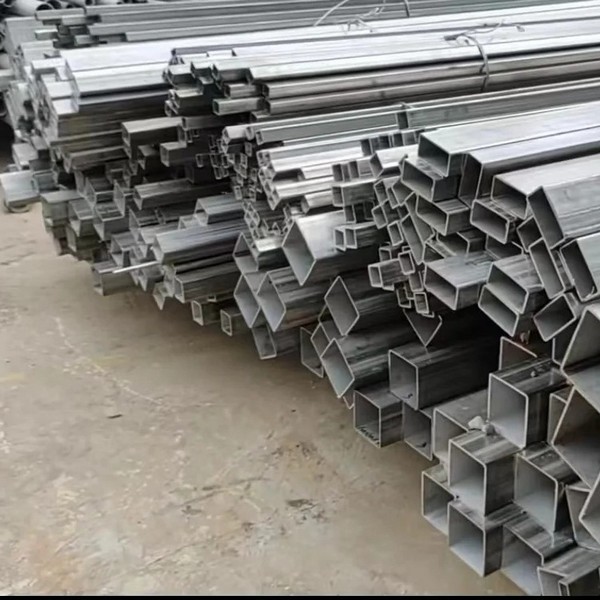
Galvanized pipe is a special type of pipe that has a protective coating of zinc. This coating helps prevent rust and corrosion, making the pipe last longer. Many people use galvanized pipes in construction and plumbing. One important aspect of galvanized pipes is how they connect with other pipes. There are two main ways to connect pipes: threaded connections and welded connections. Understanding how galvanized pipes work with these types of connections is essential for anyone working with them. At UDREAM, we know how important it is to choose the right type of connection for your project to ensure everything works smoothly.
What Makes Galvanized Pipe Ideal for Threaded and Welded Connections?
Galvanized pipes are great for threaded connections because they have a threaded end that allows them to easily screw into other pipes or fittings. This is super helpful when you need to join different parts together without using extra tools. The zinc coating on galvanized pipes helps protect the threads from damage and rust. This means the pipe will stay strong and secure for a long time. For example, if you are building a fence and need to connect several pipes, using threaded galvanized pipe can make this process fast and simple. They stay tight and keep water where it should be, preventing leaks.
When it comes to welded connections, galvanized pipes also shine. Welding is a method where two pipes are joined together by melting their edges and letting them cool to form a strong bond. Galvanized pipes can be welded, but it is important to take care. The heat from welding can damage the zinc coating, which helps prevent rust. If the coating gets damaged, the pipe can start to rust over time. So, if you’re planning to use welding, it’s good to grind off the zinc coating from the area that will be welded. This way, you get a strong connection while keeping the pipe protected. Everyone in construction knows that a strong connection is key to a safe and long-lasting project. Overall, using galvanized pipes for both threaded and welded connections can help ensure your project remains durable and reliable.
How to Ensure Compatibility of Galvanized Pipe with Various Connection Types
When working with galvanized pipes, it is crucial to ensure compatibility with the types of connections you are using. First, check the size of the pipes you have. Galvanized pipes come in different sizes and thicknesses. If you try to connect a big pipe with a small pipe, they won’t fit well, and you might end up with leaks. It’s best to use pipes that have matching sizes, so they connect easily and securely.
Another important thing to consider is the type of fittings you’re using. There are many kinds of fittings available, such as elbows, tees, and couplings. Make sure these fittings are also made for galvanized pipes. This way, you can be sure they will work well together. Sometimes, people think they can use any fitting, but that can lead to problems later on. It’s better to be safe than sorry!
Lastly, always look at the method you’re using to connect the pipes. If you choose to thread the pipes, make sure the threads are clean and undamaged. If you are going to weld, remember the tips we mentioned earlier about the zinc coating. Taking these steps will help ensure that your galvanized pipe connections are strong and leak-free. At UDREAM, we believe that paying attention to these details can make all the difference in your project’s success.
How to Select the Right Galvanized Pipe for Your Project's Connection Needs
When you need pipes for your project, it's important to pick the right kind. Galvanized pipes are a great choice because they are strong and last a long time. These pipes are coated with a layer of zinc to protect them from rust and other damage. When you are selecting galvanized pipe, you should first think about how you will connect them. There are two main ways to connect pipes: threaded and welded. Threaded connections use special screw-like ends to join pipes, while welded connections use heat to fuse them together.
If you plan to use threaded connections, you need to choose pipes with threads on the ends. These threads help hold the pipes together tightly. Make sure to check that the threads are in good condition and match the size of the fittings you will use. For welded connections, you should look for pipes that are smooth on the ends. This makes it easier to weld them together. It’s also important to choose the right size of pipe for your project, as this will affect how well the pipes connect.
At UDREAM, we provide a variety of galvanized pipes to fit your needs. Our pipes come in different sizes and are made to be durable. You should also consider the type of project you are working on. For example, if you are using the pipes for plumbing, you want to make sure they are safe for water. Always check what the pipe will be used for before making a choice. When you select the right galvanized pipe, you will be setting yourself up for a successful project with strong and reliable connections.
How to Overcome Common Problems with Galvanized Pipe Connections
Even though galvanized pipes are strong, sometimes problems can happen when connecting them. One common issue is leaking. If the pipes are not connected tightly enough, water can escape. This is often a problem with threaded connections. To prevent leaks, make sure to use the right amount of thread sealant. This is a special material that fills in the gaps between the threads and helps create a tight seal.
Another problem can happen if the pipes are not aligned correctly. If the pipes are bent or twisted, it can be hard to connect them. Always check to see that the pipes are straight and aligned before making connections. If they are not, you may need to adjust them or use special tools to help.
Sometimes, rust can also be a problem, especially if the protective zinc coating gets damaged. If you notice rust, it’s important to fix it as soon as possible. You can do this by replacing the damaged section of the pipe or by applying a new layer of protective coating. At UDREAM, we recommend regularly checking your galvanized pipes for any signs of wear or damage. This will help you catch problems early and keep your connections strong.
What Factors Influence the Durability of Galvanized Pipe in Threaded and Welded Uses?
The durability of galvanized pipe is very important, especially when you are using it for threaded and welded connections. One big factor that affects how long the pipes will last is the quality of the zinc coating. A thick and even coating will provide better protection against rust. When the coating is thin or uneven, it can wear off faster, leading to rust problems. Always choose high-quality galvanized pipe steel like those from UDREAM to ensure you get the best protection.
Another factor is the environment where the pipes will be used. If the pipes are in a wet or humid area, they might rust faster than if they are in a dry place. This is why it’s important to think about where your project is located. If you know the pipes will be exposed to water or moisture, consider using additional protective measures, like sealants or coatings.
The way you connect the pipes also plays a role in their durability. For threaded connections, if the pipes are connected too tightly, it can cause stress and fractures. For welded connections, if the welding is not done properly, it can weaken the joint. Always make sure to follow the right techniques when connecting your pipes. At UDREAM, we can help you understand the best practices for installation to ensure your connections last a long time. By being careful and choosing the right products, you can keep your galvanized pipes strong and durable for any project!
Table of Contents
- What Makes Galvanized Pipe Ideal for Threaded and Welded Connections?
- How to Ensure Compatibility of Galvanized Pipe with Various Connection Types
- How to Select the Right Galvanized Pipe for Your Project's Connection Needs
- How to Overcome Common Problems with Galvanized Pipe Connections
- What Factors Influence the Durability of Galvanized Pipe in Threaded and Welded Uses?