 EN
EN
 AR
AR
 DA
DA
 FR
FR
 DE
DE
 EL
EL
 HI
HI
 IT
IT
 JA
JA
 KO
KO
 PT
PT
 RU
RU
 ES
ES
 SV
SV
 ID
ID
 VI
VI
 MT
MT
 TR
TR
 FA
FA
 AF
AF
 MS
MS
 GA
GA
 BN
BN
 KM
KM
 LO
LO
 LA
LA
 MN
MN
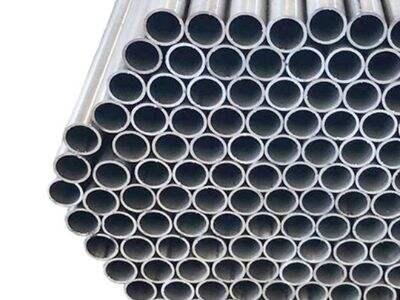
При строительстве или ремонте помещения очень важно правильно выбрать стены. Два распространенных варианта — это EPS и PU: EPS (вспененный полистирол) и PU (полиуретан). Каждый из этих материалов имеет свои преимущества и недостатки, более подробное знакомство с ними поможет вам принять наилучшее решение для вашего проекта. Поэтому мы, UDREAM, расскажем вам, что делает эти материалы особенными и какой из них подойдет именно вам.
Сравнение стен из EPS и PU в строительных материалах
EPS и PU толстостенная стальная труба имеют разные свойства, что делает их пригодными для определенных строительных требований. Поскольку пенополистирол (EPS) легкий, это упрощает его транспортировку и монтаж. Он также является хорошим теплоизолятором, помогая сохранять тепло в зданиях зимой и прохладу летом. Это способствует экономии энергии и снижению расходов на отопление и кондиционирование. EPS широко используется в жилых постройках, таких как дома и офисы, а также в коммерческих проектах, например, магазинах. Напротив, полиуретан (PU) известен своей прочностью и долговечностью. Он устойчив к влаге, что является преимуществом для помещений, таких как кухни и ванные комнаты, где возможен контакт с водой. PU также отлично подходит для конструкций с высокими требованиями к прочности, например, в промышленных зданиях. То, какой из материалов — EPS или PU — лучше, зависит от ваших потребностей. Если требуется более легкий и энергоэффективный материал, то наиболее подходящим вариантом, вероятно, будет EPS. Но если нужен прочный и влагостойкий материал, стоит выбрать PU. Каждый из этих материалов выполняет свою функцию в строительстве, и понимание их особенностей — ключ к правильному выбору.
Почему EPS и PU подходят для различных применений?
Для одного проекта может потребоваться определённый тип изоляционного материала, и понимание того, почему пенополистирол (EPS) и/или полиуретан так хорошо подходят для некоторых проектов, поможет вам сделать правильный выбор. EPS отлично подходит в качестве теплоизоляционного материала, поскольку содержит воздушные полости, удерживающие тепло. Именно поэтому он является отличным решением для домашних хозяйств, в которых важна энергоэффективность. Благодаря небольшому весу его также часто используют в упаковке и при строительстве лёгких конструкций. Постройка дома Если вы строите дом, применение EPS поможет снизить ваши расходы на энергию. С другой стороны, PU — это отличный выбор, когда требуется долговечность и устойчивость к влаге. Его регулярно применяют для утепления офисных зданий и даже холодильных складов. PU устойчив к экстремальным погодным условиям и практически не впитывает воду, что предотвращает повреждения в долгосрочной перспективе. Например, если вы работаете над проектом, которому необходимо выдерживать высокую влажность, например над постройкой возле бассейна, PU станет отличным вариантом. «Правильный» материал имеет решающее значение. В UDREAM мы это понимаем. Знание реальных преимуществ EPS и PU поможет вам грамотно выбрать материал в соответствии с требованиями вашего конкретного проекта. 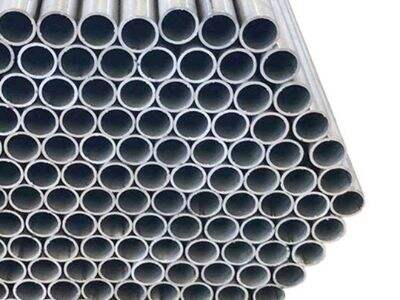
Вам нужно знать, где приобретать качественные и недорогие стеновые материалы, такие как строительные блоки из ППС (вспененного полистирола). В UDREAM мы даем вам возможность покупать эти материалы дешевле. Вы можете приобрести стеновые материалы из ППС и полиуретана в местном магазине товаров для дома, строительной торговой точке или онлайн. Вы можете заказать онлайн, учитывая тот факт, что при покупке у разных продавцов вы можете сравнить цены. Просто убедитесь, что продавец имеет хорошие отзывы. Таким образом, вы будете уверены в качестве продукции. Также неплохо покупать со скидкой или получать пониженную цену. Во многих магазинах в определённое время года, например во время праздников или начала учебного года, действуют распродажи. Не забудьте поинтересоваться оптовой покупкой! Если вам нужно достаточное количество материалов, оптовая закупка может помочь сэкономить. В U-DREAM мы регулярно предлагаем специальные тарифы на оптовые закупки. Кроме того, обратите внимание на варианты доставки. Некоторые магазины могут предложить бесплатную доставку при достижении определённой суммы заказа — это ещё один способ сэкономить. В целом, решите ли вы делать покупки онлайн или в обычных магазинах, UDREAM гарантирует вам лучшую цену на стены из ППС и полиуретана.
EPS или PU?
Может быть непросто решить! У каждого материала есть свои преимущества, поэтому они отлично подходят для разных ситуаций. EPS очень лёгкий и удобный в обращении. Он хорошо изолирует, поэтому может сохранять тепло в доме зимой и прохладу летом. Таким образом, вы можете сэкономить на счетах за электроэнергию. С другой стороны, PU также неплохо изолирует, но EPS более долговечен и лучше, чем PU, выдерживает влагу. Именно поэтому PU является лучшим выбором для зон с высокой влажностью (ванные комнаты / кухни). Другое преимущество обоих материалов заключается в том, что их можно формовать в нужные формы и легко разрезать. Это означает, что вы можете подогнать их под любой размер толстостенная стальная труба или дизайн, который вы рассматриваете. В UDREAM мы считаем, что при выборе между EPS и PU действительно важно учитывать ваши потребности. Подумайте, где вы будете использовать эти материалы и сколько денег вы готовы потратить. Если вам нужно что-то более лёгкое и дешёвое, то EPS может быть лучшим вариантом. Если вы ищете материал с более длительным сроком службы, который не впитывает влагу, тогда PU может быть предпочтительнее.
При сравнении EPS и PU различия становятся очевидными.
EPS, как правило, дешевле, чем PU, поэтому он пользуется популярностью у многих производителей досок. Это может быть важным фактором, если вы работаете над проектом с ограниченным бюджетом. металлические панели для стен дешевле, но может быть не таким долговечным, как PU. Обычно PU считается более премиальным из двух, поскольку он более износостойкий и лучше защищает от влаги. Это означает, что вы можете заплатить больше за PU сначала, но в долгосрочной перспективе это сэкономит ваши средства, так как вам не придется заменять его так часто. Другим аспектом является окружающая среда. EPS подлежит переработке, что является плюсом для тех, кто стремится минимизировать отходы. PU также может производиться с использованием экологически чистых материалов, но это зависит от продукта. В UDREAM мы тоже заботимся об окружающей среде и работаем над тем, чтобы найти для вас правильное решение для вашего применения. Рассмотрите свой проект и определите, что для вас важно. Хотите ли вы сэкономить деньги сейчас или предпочитаете то, что прослужит дольше? Учтите эти моменты, и вы сможете сделать наилучший выбор для своих стен.