
 EN
EN
 AR
AR
 DA
DA
 FR
FR
 DE
DE
 EL
EL
 HI
HI
 IT
IT
 JA
JA
 KO
KO
 PT
PT
 RU
RU
 ES
ES
 SV
SV
 ID
ID
 VI
VI
 MT
MT
 TR
TR
 FA
FA
 AF
AF
 MS
MS
 GA
GA
 BN
BN
 KM
KM
 LO
LO
 LA
LA
 MN
MN
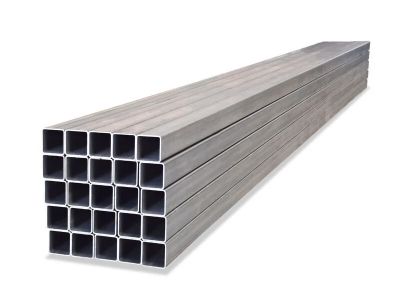
Where to Find High-Quality Steel Tubing for Structural Applications
Finding high-quality steel tubing starts with choosing reliable suppliers that specialize in structural steel products. Reputable manufacturers provide detailed product specifications, including dimensions, wall thickness, material grades, and mechanical properties. They also offer certifications that verify compliance with industry standards. Customer reviews and technical support can help buyers evaluate product quality and supplier reliability. At UDREAM, our steel tubing undergoes strict quality inspections to ensure excellent strength, durability, and consistent performance for structural applications.
Local steel distributors and building supply companies are also valuable sources. Their technical staff can recommend suitable tubing based on your project's load requirements, environmental conditions, and design specifications. Always request quality certifications and compare multiple suppliers to ensure you receive the best combination of performance and value. For larger construction projects, purchasing in bulk often provides significant cost savings. STAINLESS STEEL
Where to Buy Wholesale Steel Tubing for Structural Projects
Wholesale purchasing is a cost-effective option for contractors, fabricators, and construction companies working on large-scale projects. Manufacturers such as UDREAM offer competitive wholesale pricing for bulk orders while maintaining strict quality standards. Working directly with the manufacturer allows customers to discuss project requirements, receive customized quotations, and obtain technical recommendations. PIPE
Industry trade shows and construction exhibitions also provide opportunities to compare products from multiple suppliers, negotiate pricing, and learn about new steel products and manufacturing technologies. Buyers should also consider shipping capabilities, delivery schedules, and after-sales support when selecting a wholesale supplier. Monitoring seasonal promotions and supplier discounts can further reduce procurement costs.
What Factors Affect the Load Distribution Performance of Steel Tubing?
Several factors influence how effectively steel tubing distributes structural loads. One of the most important factors is the tubing's size and cross-sectional shape. Larger sections generally provide higher load-bearing capacity, while the shape affects stiffness and resistance to bending or twisting.
The material grade also plays a critical role. Higher-strength steel offers greater resistance to deformation and improves structural performance under heavy loads. Manufacturing quality is equally important because defects or inconsistencies can reduce the tubing's strength and reliability. cold-rolled steel
Connection methods significantly impact load distribution as well. Properly designed and installed joints help transfer forces evenly throughout the structure, minimizing localized stress. Structural design is another essential factor. Engineers must carefully calculate load paths to ensure forces are distributed efficiently across all structural members.
Environmental conditions should also be considered. Exposure to moisture, corrosive chemicals, or coastal environments can gradually weaken steel if appropriate protective measures are not used. At UDREAM, our steel tubing is designed with these factors in mind to provide dependable structural performance in a wide range of applications. COLOR COATED
How to Maximize Structural Integrity with Quality Steel Tubing?
Achieving maximum structural integrity begins with selecting high-quality steel tubing that meets the required engineering specifications. Premium-grade steel provides greater strength, improved durability, and better resistance to deformation. At UDREAM, we use carefully selected raw materials and strict manufacturing processes to ensure consistent product quality.
Proper installation is equally important. Correct alignment, secure connections, and precise fabrication allow the tubing to distribute loads efficiently throughout the structure. Regular inspections and maintenance help identify early signs of corrosion, wear, or damage before they become serious structural concerns.
Design considerations should also match the intended application. Structures supporting heavy equipment or industrial operations may require larger tubing sizes or higher-strength materials. Selecting the appropriate steel tubing for each application ensures long-term safety, reliability, and performance.
Common Misconceptions About Steel Tubing Load Distribution Performance
One common misconception is that all steel tubing offers the same performance. In reality, different steel grades, manufacturing methods, and dimensions produce varying levels of strength and durability. PROFILES
Another misunderstanding is that thicker tubing is always the best choice. While increased thickness generally improves load capacity, overall structural performance also depends on material quality, engineering design, and connection methods. ROOFING
Some people believe steel tubing requires no maintenance after installation. However, routine inspections remain essential, particularly in corrosive environments where rust or surface damage may develop over time. hot-rolled steel
There is also a belief that proper building design alone guarantees excellent load distribution. In fact, even the best engineering designs rely on high-quality materials and proper installation to achieve their intended performance.
Finally, many assume steel tubing can be used interchangeably in every project. The correct tubing size, material grade, and structural design should always be selected based on the specific loading conditions and application requirements. At UDREAM, we help customers choose the right steel tubing solutions to maximize structural safety, performance, and long-term reliability. HARDWARE PARTS