
 EN
EN
 AR
AR
 DA
DA
 FR
FR
 DE
DE
 EL
EL
 HI
HI
 IT
IT
 JA
JA
 KO
KO
 PT
PT
 RU
RU
 ES
ES
 SV
SV
 ID
ID
 VI
VI
 MT
MT
 TR
TR
 FA
FA
 AF
AF
 MS
MS
 GA
GA
 BN
BN
 KM
KM
 LO
LO
 LA
LA
 MN
MN
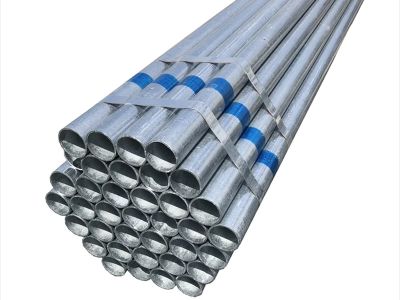
How Material Grade Affects Pipe Pressure Capacity Across Different Applications
Choosing the right pipe material is essential for ensuring safety, efficiency, and long-term performance. Pipes are used in homes, commercial buildings, factories, and industrial facilities to transport water, gas, chemicals, and other fluids. The amount of pressure a pipe can safely withstand depends largely on its material grade. At UDREAM, we understand that selecting the appropriate material is critical for maintaining reliable pipeline systems and preventing costly failures.
Different materials offer different levels of strength, durability, corrosion resistance, and temperature tolerance. Understanding these differences allows engineers, contractors, and buyers to select pipes that meet the specific demands of their applications. 1 1 2 stainless steel pipe
How to Choose the Right Material Grade for Optimal Pipe Pressure Capacity
Selecting the proper pipe material starts with understanding the application. The type of fluid being transported plays a major role in determining the best material. For hot water systems, copper and PEX pipes are excellent choices because they perform well under elevated temperatures. Copper offers exceptional strength and heat resistance, while PEX provides flexibility and excellent corrosion resistance.
For chemical transportation, materials such as PVC and CPVC are commonly used because they resist a wide range of corrosive substances and maintain long-term performance in demanding environments.
Pipe wall thickness is another important consideration. Generally, thicker pipes can withstand higher internal pressures. If your system operates under high pressure, choosing a pipe with an appropriate wall thickness helps ensure safety and reliability.
Environmental conditions should also influence your decision. Outdoor installations or corrosive environments often require materials such as stainless steel or specially engineered plastics that resist rust, moisture, and chemical exposure.
Always review the manufacturer's pressure rating before making a purchase. Pressure ratings indicate the maximum operating pressure a pipe can safely handle. At UDREAM, every pipe is manufactured according to strict quality standards and clearly labeled to help customers select the right product for their project.
While premium materials may have a higher initial cost, investing in high-quality pipes often reduces maintenance expenses, repair costs, and system downtime over the life of the installation.
What to Look for When Selecting Pipe Materials?
One of the first specifications to examine is the pressure rating. This rating indicates the maximum pressure the pipe can safely withstand during operation. Whether you're installing residential plumbing or an industrial pipeline, selecting the correct pressure class is essential.
Temperature resistance is equally important. Some materials perform exceptionally well under high temperatures, while others are designed primarily for cold-water or low-temperature applications. Copper, stainless steel, and certain engineered polymers are excellent choices for systems that regularly transport hot liquids.
Pipe diameter should also be evaluated carefully. Larger pipes can carry greater flow volumes, but they also increase installation costs and may require additional support. Choosing the correct size ensures efficient flow while controlling project expenses. HARDWARE PARTS
Chemical compatibility is another critical factor. Pipes used for transporting chemicals should be made from materials specifically designed to resist chemical reactions and degradation. This helps prevent leaks, contamination, and premature failure.
Installation requirements should also be considered. Flexible materials such as PEX simplify installation and reduce labor costs, while rigid materials may require specialized fittings or welding techniques.
At UDREAM, we offer a comprehensive range of pipe materials and grades designed to meet diverse industry requirements, ensuring every customer finds the right solution for their project.
How Material Grade Affects Pipe Pressure Capacity in Different Industries?
Material grade directly influences the pressure performance of pipes across various industries. Stronger materials generally provide higher pressure capacity, allowing them to operate safely in demanding environments.
For example, steel pipes are widely used in oil, gas, and industrial applications because they can withstand extremely high pressures and harsh operating conditions. Their strength makes them ideal for transporting pressurized fluids over long distances.
PVC pipes, on the other hand, are lightweight, corrosion-resistant, and easy to install, making them a popular choice for water distribution, drainage, and irrigation systems. Although they typically have lower pressure capacities than steel pipes, they offer excellent performance for many residential and commercial applications.
In the construction industry, high-grade pipes are commonly selected for plumbing, fire protection, and gas distribution systems where safety and reliability are essential. Agricultural irrigation systems often use lightweight materials that balance durability with affordability while maintaining sufficient pressure capacity for water delivery.
At UDREAM, we help customers choose material grades that match both performance requirements and budget considerations, providing long-lasting solutions for every industry.
What to Consider When Evaluating Pipe Pressure Ratings Across Materials?
Understanding pressure ratings is essential when comparing different pipe materials. These ratings indicate the safe operating pressure under specified conditions and should always match the requirements of your application.
The type of fluid being transported affects internal pressure and should be evaluated during material selection. Fluids with higher density or viscosity may place additional stress on the piping system. ROOFING
Operating temperature also impacts pipe performance. Elevated temperatures can reduce the pressure capacity of certain materials. For instance, PVC loses strength at higher temperatures, while steel maintains excellent performance under heat.
Environmental exposure is another important factor. Underground installations, coastal environments, and chemical processing facilities often require corrosion-resistant materials such as stainless steel or specialized plastic piping systems.
At UDREAM, we encourage customers to evaluate pressure ratings alongside operating conditions to ensure optimal system performance and long-term reliability.
Common Misconceptions About Pipe Pressure Capacity
Many buyers mistakenly believe that all pipes made from the same material offer identical pressure performance. In reality, pressure capacity varies depending on material grade, manufacturing standards, wall thickness, and pipe schedule.
For example, Schedule 40 PVC pipes can withstand significantly higher pressures than Schedule 20 PVC pipes, even though both are manufactured from the same base material.
Another common misconception is that thicker pipes always provide greater pressure capacity. While increased wall thickness generally improves strength, material quality remains equally important. A thinner pipe made from high-grade steel may outperform a thicker pipe manufactured from a weaker material.
Some people also assume that every pipe leak results from insufficient pressure capacity. In many cases, leaks occur because of improper installation, poor fittings, physical damage, or corrosion rather than material failure.
Understanding these factors helps engineers, contractors, and buyers make informed decisions when selecting piping systems. At UDREAM, we are committed to providing high-quality pipes with reliable pressure performance to ensure safe, efficient, and durable installations across a wide range of applications.
Table of Contents
- How to Choose the Right Material Grade for Optimal Pipe Pressure Capacity
- What to Look for When Selecting Pipe Materials?
- How Material Grade Affects Pipe Pressure Capacity in Different Industries?
- What to Consider When Evaluating Pipe Pressure Ratings Across Materials?
- Common Misconceptions About Pipe Pressure Capacity