
 EN
EN
 AR
AR
 DA
DA
 FR
FR
 DE
DE
 EL
EL
 HI
HI
 IT
IT
 JA
JA
 KO
KO
 PT
PT
 RU
RU
 ES
ES
 SV
SV
 ID
ID
 VI
VI
 MT
MT
 TR
TR
 FA
FA
 AF
AF
 MS
MS
 GA
GA
 BN
BN
 KM
KM
 LO
LO
 LA
LA
 MN
MN
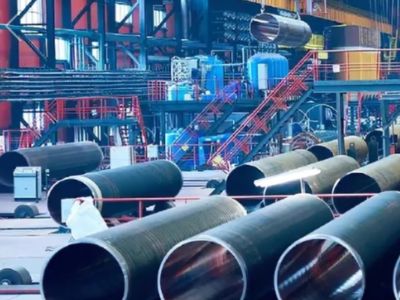
HOT-ROLLED steel plates are important in many industries. These plates are made by heating steel and rolling it out into flat shapes. During this high-temperature process, a layer called surface scale can form on the steel. This scale can make the steel look rough and can affect how well it works. At UDREAM, we care about making sure our steel plates are of the best quality. Understanding why surface scale forms and how to reduce it is important for everyone in the steel industry
What Causes Surface Scale Formation on Hot Rolled Steel Plates During High-Temperature Production
When steel is heated to high temperatures, it can react with oxygen in the air. This reaction causes iron oxide, or rust, to form on the surface of the steel. The hotter the steel gets, the more likely this reaction is to happen. The rolling process, where the steel is flattened, can also add to this problem. If the steel rolls while it is still very hot, it can trap moisture and other tiny particles on its surface. This can increase the amount of scale that forms. The type of environment where the steel is produced also matters. If there is a lot of humidity or air pollution, the scale can form more easily. The speed at which the steel is rolled can influence how much scale appears, too. Slower rolling can lead to more time for the surface reactions to occur, which means more scale. At UDREAM, we observe these conditions to minimize the formation of surface scale
What Are the Best Practices for Reducing Surface Scale in Hot Rolled Steel Manufacturing
To reduce surface scale, several best practices can be followed. One important step is to control the atmosphere in the production area. By reducing the amount of oxygen in the air, manufacturers can limit the formation of rust. This can be done by using special gases or by covering the steel during the heating process. Another way is to keep the steel clean and dry before it is heated. This means removing any dust or moisture that could react with the steel. At UDREAM, we have strict cleaning processes to ensure our steel is ready for heating. Additionally, timing is crucial. The steel should be moved quickly from the heating phase to the rolling process. This helps to limit the exposure to air and moisture. Another method involves using special coatings that can protect the steel before it is rolled. These coatings can form a barrier that keeps oxygen away from the surface. Finally, regular maintenance of equipment used in the production process is vital. Well-maintained machines will help ensure that the steel is rolled efficiently and with less risk of scale formation. By following these practices, UDREAM aims to produce high-quality hot-rolled steel plates with minimal surface scale
How Does Surface Scale Affect the Quality of Hot Rolled Steel Plates
hot rolled plate are used in many things, like cars, buildings, and machines. When steel is made, it gets very hot, and this can cause a layer called surface scale to form. Surface scale is like a crust that can cover the steel. This layer is made of iron oxide, which is created when iron reacts with oxygen in the air. While it might not seem like a big deal, surface scale can really affect the quality of hot rolled sheet metal. First, it can make the surface of the steel rough and uneven. If the steel plate is going to be used for something that needs a smooth surface, like a car body, this roughness can be a problem. It can lead to scratches and make it harder to paint or coat the steel. Also, surface scale can make it difficult for the steel to stick to other materials, which is important in many types of construction and manufacturing. The surface scale can also trap moisture, which can lead to rusting. Rust can weaken the steel and make it less useful. This is especially important for products that need to last a long time or be safe, like buildings and bridges. At UDREAM, we always pay attention to the quality of our hot rolled steel plates, making sure the surface is clean and strong to prevent these issues
What You Need to Know
When making hot rolled steel plates, it is important to understand what surface scale is and why it forms. The process of making steel involves heating iron to very high temperatures, often around 1,700 degrees Fahrenheit. At these high temperatures, if the steel is exposed to air, it can react with oxygen. This reaction creates the surface scale we talked about earlier. Knowing this is key for anyone working with hot rolled steel. Surface scale can vary in thickness and can be more common in certain environments, like places with high humidity. It is also important to note that some surface scale can be removed, but not all of it can be easily cleaned off. This means that when you are choosing hot rolled steel plates, you should check for the amount of surface scale. A plate with a lot of surface scale might not be the best choice for projects that need strong, smooth materials. At UDREAM, we make it a point to test our steel and ensure that we provide products with minimal surface scale. Understanding surface scale helps customers make better choices when buying hot rolled steel plates for their projects
How to Identify and Address Surface Scale Issues in Hot Rolled Steel Products
Identifying surface scale on hot rolled steel plates is an important step in ensuring quality. There are a few easy ways to spot surface scale. First, you can look at the surface of the steel. If it looks rough or has a different color than the shiny metal underneath, it might have surface scale. Touching the surface can also help. If it feels bumpy or gritty, that is often a sign of surface scale. You can also perform a simple test: wipe the surface with a cloth. If you see dust or powder on the cloth, this could be scale coming off the plate. Once you identify the surface scale, the next step is to address it. There are different ways to clean the surface. One common method is using a wire brush or grinder to remove the scale. Another option is using chemicals that can dissolve the scale, but this requires careful handling and safety precautions. After cleaning, it is a good idea to inspect the steel again to make sure all the scale is gone. At UDREAM, we recommend checking your hot-rolled steel plates regularly. Keeping an eye on the surface will help you make sure that the steel is in good condition and ready for use. By identifying and addressing surface-scale issues, you can ensure that your projects will be strong and last a long time.
Table of Contents
- What Causes Surface Scale Formation on Hot Rolled Steel Plates During High-Temperature Production
- What Are the Best Practices for Reducing Surface Scale in Hot Rolled Steel Manufacturing
- How Does Surface Scale Affect the Quality of Hot Rolled Steel Plates
- What You Need to Know
- How to Identify and Address Surface Scale Issues in Hot Rolled Steel Products