
 EN
EN
 AR
AR
 DA
DA
 FR
FR
 DE
DE
 EL
EL
 HI
HI
 IT
IT
 JA
JA
 KO
KO
 PT
PT
 RU
RU
 ES
ES
 SV
SV
 ID
ID
 VI
VI
 MT
MT
 TR
TR
 FA
FA
 AF
AF
 MS
MS
 GA
GA
 BN
BN
 KM
KM
 LO
LO
 LA
LA
 MN
MN
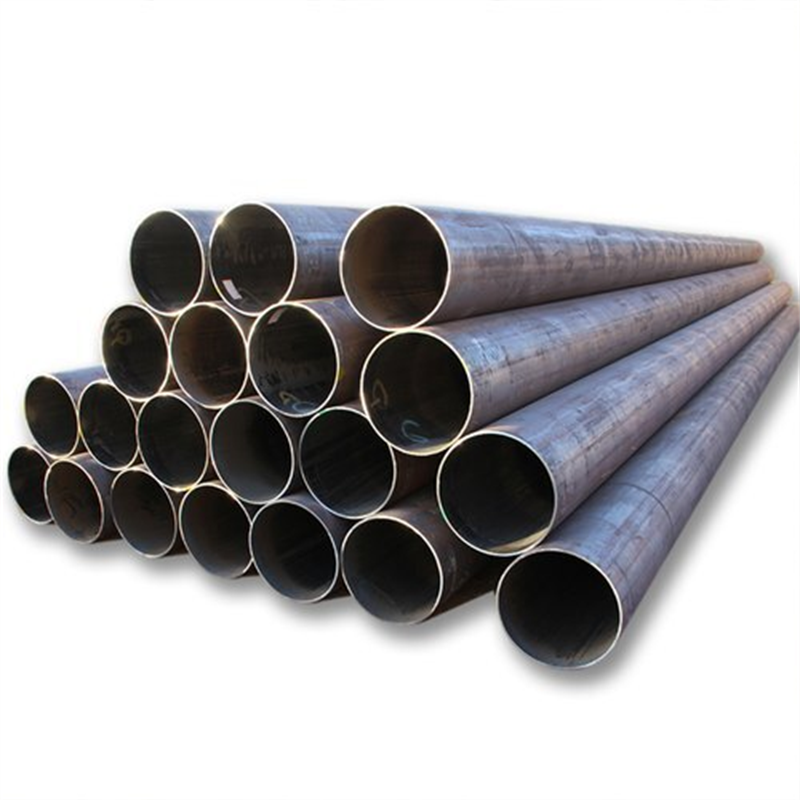
The world of steel exports is nothing if not dynamic. This year, much will factor into how steel is traded and used around the world. We monitor these changes closely at UDREAM, as they can impact our business and customers. We are here to help you make sense of what’s next for steel exports and how you can fund the near future when it comes to 2024 outlook. With an awareness to these trends, companies and individuals can better understand a good time for steel production or purchasing. Steel industry, being the backbone for several industries such as construction, automobiles and manufacturing is one of the most significant drivers. So, let’s take a look at what new trends will define steel exports and the ways in which global demand will impact prices in the coming year.
What Are the New Trending Key Points that Impact Steel Exports for 2024?
There are some new trends to watch for in 2024, that will impact the way steel is exported. First, we are seeing that many countries are focusing more on green technology and sustainability. That means steel production could begin to use more recycled materials. For example, the use of scrap steel can minimize waste and pollution. Nations from the United States to Europe are pressing for cleaner production. That could mean more demand for steel products created through recycling. Another significant development, the emergence of digital technology in steel production. Several businesses are embracing smart enemies to enhance their production. For instance, sensors and automation can make factories operate more efficiently, saving money. This may result in steel being produced faster and at a cheaper rate, which customers might like. Also, the trade agreements between countries can also impact on exporting of the steel. If countries join together in lowering tariffs, it could become less expensive to move steel between borders. This could also break new markets for exporters. The demand for steel is likely to rise as countries move through and beyond the pandemic and embark on construction adding more pressure on supply. If countries invest in infrastructure, such as roads and bridges, they will require plenty of steel. Generally speaking, a lot attention on sustainability, digital technology and trade agreements will have a significant impact upon the face of steel exports/imports in 2019.
How Global Demand Will Affect Steel Wholesale Prices Next Year
Steel’s global demand picture in 2024 will be a key influence on wholesale prices. As demand goes up, so typically do prices. China and India are major league steel players. And then if these countries continue to develop, to grow and build more, their steel demand will climb. To cite a single example, China is famous for quick construction projects. And if they continue to put up new buildings and roads, they are going to demand a lot of steel. This added demand could send prices up. But if there is any economic slippage in these countries, the reverse could occur. Prices can slip, however, when demand softens. Another consideration is the raw materials source. Steel is produced by smelting iron ore and coal. If these inputs become scarcer or more costly, that can also drive up steel prices. The price of shipping such materials can also affect pricing. If fuel prices increase, so will the cost of shipping, and that can escalate steel prices. Meanwhile, geopolitics such as conflicts or natural disasters around the world can disrupt supply chains and trigger price swings. In short, the demand for steel, raw materials accessibility and world events will all be significant players in determining how wholesale prices will shift next year. It is important for businesses in need of buying steel at the best price, to understand these factors.
How Sustainability Initiatives Will Affect Steel Export Practices?
From next year, the steel industry will undergo huge changes as a result of new initiatives to be more sustainable environmentally. Many countries wish to combat climate change, and so are opposed to dirtier methods of production. Steel is used in all sorts of things, from buildings and cars to engine parts. But the process of making steel also generates a lot pollution. To help reduce this pollution, several steel companies, including UDREAM, are seeking new methods to produce steel with less energy and reduced harmful materials. For instance, some companies are beginning to use electricity from renewable such as wind or solar power instead of fossil fuels. That shift not only would contribute to the reduction of pollutants released into the air, but it also could alter the way steel is exported. Nations that produced steel in a cleaner way could face fewer barriers to selling their metal to other countries. Buyers the world over are increasingly interested in purchasing steel created with special care for the planet. This means steel exports from companies with a focus on sustainability will grow more in coming years. Governments might also provide incentives, such as tax advantages or expedited approval processes, to businesses that adhere to green practices. This could be the tipping point for further steel producers to go green, and see a rise in sustainable steel exports. In short, as concern for the environment intensifies, steel exports will also change to match this new value system, benefiting both economy and planet.
How Will Changes in Steel Production Impact Wholesale Buyers?
The steel business, too, is undergoing transformations due to new technologies and inventions. These developments can speed up and reduce the cost of steel production, which should appeal to wholesale customers. For instance, companies such as UDREAM are experimenting with new methods of producing carbon steel pipe that require less raw material and energy. Artificial intelligence (AI) is used for even the production process, which has been an exciting development. AI can process data at high speed and figure out the most economic ways to make steel, avoiding waste and saving time. That makes it possible to produce steel more cheaply, which may reduce prices even for wholesale buyers. A second development of significance is the recycled input to steel production. Rather than work from all new iron ore, companies can reuse preexisting steel to make new products. Not only will this help keep the environment clean to reduce waste, it also cuts down production costs because recycled items typically costs less. This kind of steel appeals to buyers who prefer to pinch pennies. Finally, new materials and technologies such as advanced alloys which enable stronger and lighter steel are making producing cars on a large scale increasingly viable. This means that, products forged from these new steels could, in theory at least, be both more durable and lighter, a boon for construction projects or vehicles. With these advancements gaining momentum, wholesale steel buyers will have more choices when buying steel, and the market will become a lot more interesting and competitive.
What Will Be Trade Agreements’ Impact on Steel Wholesale Market?
Trade agreements will have much to do with how steel crosses borders as products are bought and sold among nations in the year ahead. These are pacts between nations that make trade in a range of crisscrossing goods, including steel, at least a little easier. So if two countries negotiate a reduction in tariffs, taxes on goods that are imported, it gets cheaper for them to buy and sell steel, say. This might raise the steel export for companies like UDREAM. Strong trade agreements also benefit steel wholesalers, who can obtain better prices and more options. They can source stainless steel from other countries more cheaply. This allows businesses to save money and keep prices down for their customers. In addition, trade pacts can make it possible for smaller steel makers to break into new markets. If a nation allows access to its steel market, local companies who are smaller than the major players have opportunities in competing. Besides, trade agreements frequently have provisions on quality and safety. Which is to say that wholesalers in this country can have confidence in the steel they are importing from overseas. In the big picture, trade agreements will define what the steel market looks like and they will create one that is more efficient and competitive. As countries collaborate, the export of steel can only grow to the advantage of producers and consumers.
Table of Contents
- What Are the New Trending Key Points that Impact Steel Exports for 2024?
- How Global Demand Will Affect Steel Wholesale Prices Next Year
- How Sustainability Initiatives Will Affect Steel Export Practices?
- How Will Changes in Steel Production Impact Wholesale Buyers?
- What Will Be Trade Agreements’ Impact on Steel Wholesale Market?