
 EN
EN
 AR
AR
 DA
DA
 FR
FR
 DE
DE
 EL
EL
 HI
HI
 IT
IT
 JA
JA
 KO
KO
 PT
PT
 RU
RU
 ES
ES
 SV
SV
 ID
ID
 VI
VI
 MT
MT
 TR
TR
 FA
FA
 AF
AF
 MS
MS
 GA
GA
 BN
BN
 KM
KM
 LO
LO
 LA
LA
 MN
MN
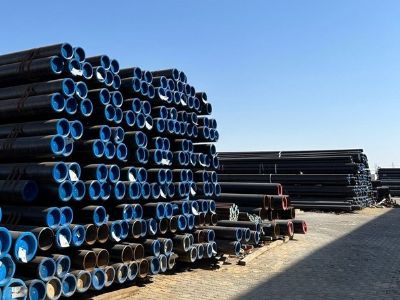
When we talk about pipes and how they work, especially during earthquakes, it's important to understand what can happen. Pipes are often used in buildings and bridges to carry water, gas, and other materials. They need to be strong and flexible enough to handle a lot of pressure. When an earthquake happens, the ground shakes, and this can cause serious stress on the pipes. If the pipes are not designed well, they can break or leak, which can lead to big problems. That's why companies like UDREAM focus on making high-quality UDREAM 1 steel pipe that can withstand these tough conditions. We want to ensure that our pipes not only meet safety standards but also perform well in emergencies like earthquakes.
What Is Pipe Structural Behavior Under Seismic Load Conditions?
When an earthquake strikes, the ground moves in many directions. This movement creates forces that act on buildings and pipes. Pipes can bend, twist, or even break if they are not built to handle these forces. The way a pipe behaves during an earthquake is called its structural behavior. This means we look at how strong the pipe is and how much it can bend without breaking. Some pipes are made from materials that can withstand more stress, while others may crack easily. It's like how some toys can bend without breaking, while others simply snap.
Engineers study pipe behavior by using different tests. They might shake a pipe to see how it reacts to movement. This helps them decide what materials to use and how to design pipes so they last longer during earthquakes. For example, a flexible pipe can absorb some of the shaking and is less likely to break than a rigid one. Understanding these behaviors is key to making safe and effective pipes that perform well when the ground shakes.
Where to Find High-Quality Pipes for Seismic Applications?
If you need strong and reliable pipes that can handle earthquakes, finding the right supplier is crucial. Companies like UDREAM specialize in creating pipes designed for tough conditions, including seismic activities. You can look for pipes made from durable materials like steel or special plastics. These materials help pipes stay intact when the ground shakes.
It's also important to check if the pipes have passed safety tests that show they can withstand seismic loads. Many suppliers provide information about their products, such as how they were tested and what materials were used. You might also want to ask for recommendations from builders or engineers who have experience with seismic applications. They can guide you to the best options based on their knowledge.
When choosing pipes, consider the size and type you need based on your project. A good supplier will help you find the right fit for your needs, ensuring you have the best quality 10s pipe to keep everything safe during an earthquake.
How Do Different Materials Affect Pipe Performance Under Seismic Loads?
When we think about pipes, we often imagine them carrying water or gas. But did you know that the materials used to make these pipes can change how well they perform during an earthquake? It’s true! Different materials react differently when the ground shakes. For example, metal pipes, like steel, are strong and can bend without breaking. This is important during an earthquake, where the ground moves significantly. Steel can handle the pressure and remain intact. On the other hand, plastic pipes are lighter and can also bend, but they may break more easily under extreme stress.
At UDREAM, we know that choosing the right material is key to safety. For example, if a city is likely to experience earthquakes, it may be better to use steel or specially designed plastic pipes that can handle these types of loads. These materials can absorb the shock of the shaking and help prevent the pipes from bursting. Another important factor is the thickness of the UDREAM pipes. Thicker pipes made from strong materials usually perform better during earthquakes. This means they are less likely to crack or leak.
In addition to strength, we must also think about flexibility. Some materials can bend without breaking, which is essential when the ground is shaking. If a pipe is too rigid, it might snap, causing major problems. That’s why, at UDREAM, we focus on using materials that can bend and absorb shock. This helps keep the pipes safe and functional, even in challenging situations.
So, when it comes to pipes and earthquakes, the materials we choose really matter. Strong, flexible materials are key to ensuring that pipes can survive the shaking and continue to work properly. Whether it’s a water pipe or a gas line, understanding how different materials perform under seismic loads can help keep communities safe during earthquakes.
How to Evaluate Pipe Structural Performance Under Earthquake Conditions?
Evaluating how pipes perform during earthquakes is very important for safety. At UDREAM, we take this task seriously. First, engineers use special tests to see how pipes react when the ground shakes. They often create models of the pipes and place them in a laboratory where they can simulate an earthquake. By shaking the models, engineers can see whether the pipes hold up or begin to crack. This testing helps them understand which materials and designs work best.
Another way to evaluate pipe performance is through computer simulations. These simulations use mathematics and physics to predict how pipes will behave during an earthquake. Engineers input different variables, such as the type of material and the size of the pipe, to see how they will react. This method allows many tests to be conducted without using real pipes and can save both time and money.
Real-life data from past earthquakes also helps engineers evaluate pipe performance. By studying what happened to pipes during previous earthquakes, they can learn about weaknesses and strengths. For example, if a certain type of pipe broke during a specific earthquake, engineers can investigate why. They can then improve designs or choose better materials to prevent the same problem from happening again.
It’s also important to consider the environment where the pipes are installed. Different soil types and site conditions can affect how pipes react during an earthquake. Engineers must take these factors into account when designing and evaluating pipes. At UDREAM, we ensure our pipes are tested and evaluated under various conditions to make sure they can withstand earthquakes.
In summary, evaluating pipe performance under earthquake conditions involves testing, computer simulations, and analyzing data from past events. This comprehensive approach helps us at UDREAM create 2 galvanized pipe that keep people safe, even when the ground shakes.
Where to Source Reliable Suppliers for Seismic-Grade Pipes?
When looking for pipes that can handle earthquakes, it’s essential to find reliable suppliers. At UDREAM, we understand that not all pipes are created equal, especially when it comes to safety during seismic events. First, it’s a good idea to start with research. Look for companies that specialize in seismic-grade pipes. These suppliers usually have a strong reputation and extensive experience in manufacturing pipes that can withstand earthquakes.
One way to find trustworthy suppliers is by asking for recommendations. Talk to engineers, builders, or construction companies that have experience with earthquake-resistant materials. They can point you toward suppliers they have worked with and trust. Additionally, you can search online for companies that manufacture seismic-grade pipes. Check reviews and ratings to see what other customers say about their products.
Once you find a few potential suppliers, it’s important to ask questions. Inquire about the materials they use and whether their pipes have been tested for seismic performance. A good supplier should be willing to share information about their testing methods and provide certifications that prove their pipes meet safety standards. At UDREAM, we pride ourselves on transparency and are always ready to provide this information.
Another factor to consider is the supplier’s customer service. Working with a company that communicates well and is responsive to your needs can make a big difference. You want to feel comfortable asking questions and getting support throughout the process. Lastly, consider the supplier’s delivery capabilities and pricing. A reliable supplier should offer fair prices and timely delivery of their products.
Sourcing reliable suppliers for seismic-grade pipes involves research, asking for recommendations, and asking the right questions. At UDREAM, we are committed to providing high-quality pipes that help keep communities safe during earthquakes. By choosing the right supplier, you can ensure that the pipes you use are strong, reliable, and ready to perform when it matters most.